This analysis offers a concise overview of the current legal environment impacting artificial intelligence (AI) in Bulgaria. It explores regulatory compliance, intellectual property, contract structuring, and liability issues – all essential for understanding how AI is governed domestically and within the broader European Union context.
1. Regulatory Compliance
Bulgaria’s approach to AI regulation is closely intertwined with European Union laws, particularly the EU Artificial Intelligence Act (EU AI Act) and the General Data Protection Regulation (GDPR).
EU Artificial Intelligence Act (2024):
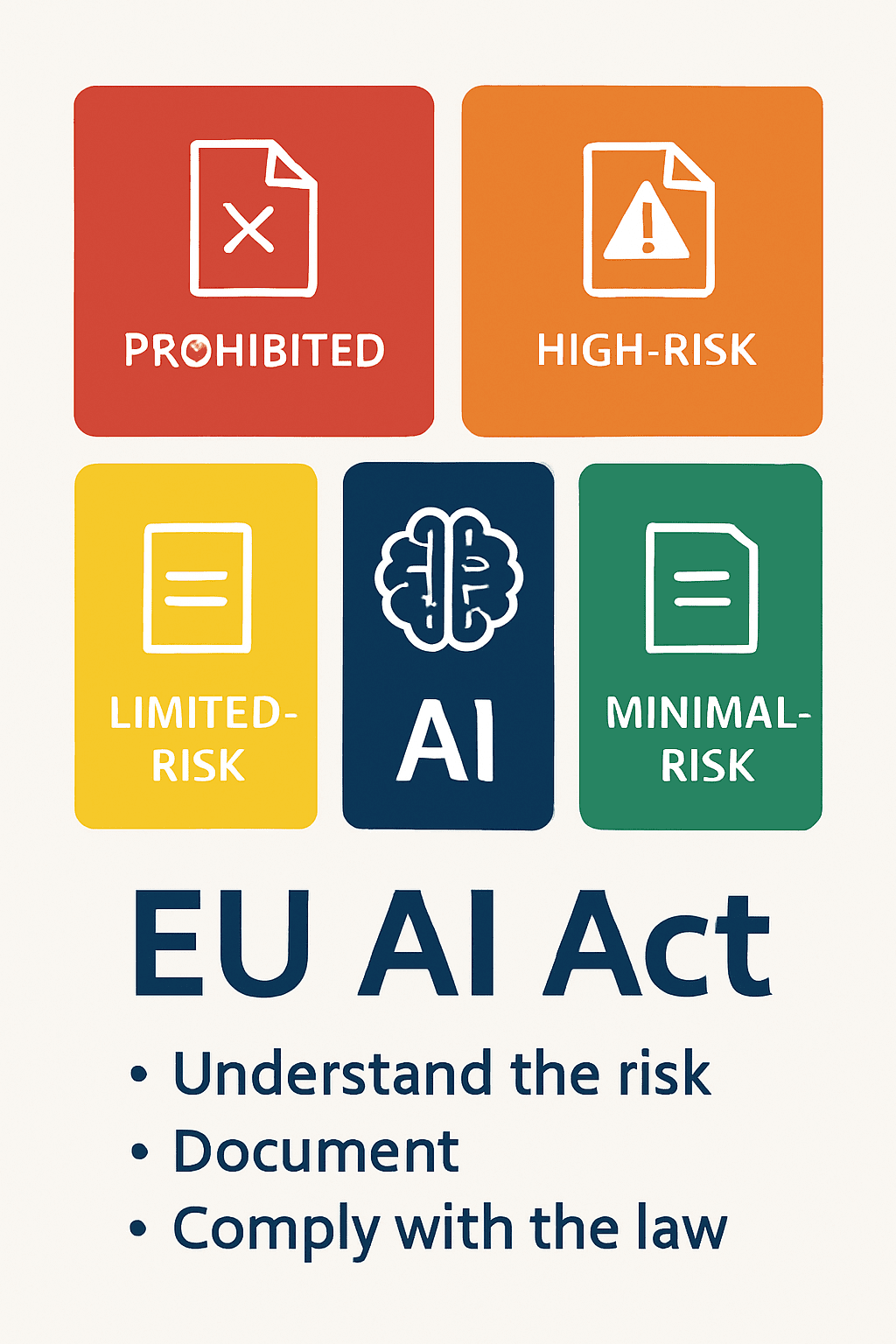
Enacted in 2024, the EU AI Act sets comprehensive standards for the safety, transparency, and protection of fundamental rights across member states. The regulation bans practices considered harmful, such as systems that manipulate behavior, biometric social scoring, or real-time facial recognition in public, except for narrowly defined security exceptions. AI systems are classified by risk – unacceptable, high-risk, limited, and minimal – with stringent requirements imposed on high-risk sectors like health, law enforcement, and critical infrastructure.
Businesses engaged in AI, whether as developers, distributors, or operators, must fulfill obligations suited to their role. Non-compliance can attract fines of up to €35 million or 7% of worldwide turnover. The regulation supports both consumer protection and ethical innovation by mandating transparency and allowing individuals to challenge AI decisions that negatively impact them.
Bulgaria’s National AI Strategy (2020–2030):
Adopted in 2020, Bulgaria’s strategic plan prioritizes AI-driven research, ethical innovation, and robust infrastructure for AI development. The strategy aims to build expertise, support research, encourage responsible AI adoption, and ensure compliance with EU law. Central to this vision is creating a “trust ecosystem” for AI applications, aligning national policies with GDPR and international standards.
2. Intellectual Property and AI
AI raises unique intellectual property questions under Bulgarian and EU law, both as a user and generator of content.
- Use of Protected Content:
European law (and Bulgarian implementation) permits AI to use copyrighted material without explicit permission in certain cases, especially for text and data mining (TDM). There are two major exceptions: rights holders can block AI access through technical measures, and scientific research by public interest entities can proceed even if access is denied. - AI-Generated Content & Copyright:
The debate over the copyrightability of AI-generated works continues, as genuine authorship is often absent. Current policy, both in Bulgaria and the EU, does not recognize copyright in works produced solely via AI. However, human-curated or combined works may qualify for protection. Proposed solutions include categorizing AI output as folklore or employing collective management organizations to ensure compensation, addressing concerns over displacement of human creators.
3. Contracts in the AI Sector
At present, Bulgaria has no dedicated legislation for AI-specific contracts; the general Obligations and Contracts Act applies. However, AI’s distinctive characteristics require tailored contractual language:
- Define the exact scope, specifications, and performance criteria for AI services.
- Establish clear ownership and usage rights of models, training data, and outputs.
- Ensure rigorous adherence to GDPR and other data protection standards.
- Specify responsibilities and indemnities for errors or harm caused by AI.
- Integrate ethical standards to bolster trust and foster responsible AI practices.
4. Liability for AI Systems
Bulgarian law currently applies general tort liability rules to AI, making it complex to determine accountability due to the technology’s autonomous nature.
Potential liability may arise for:
- Manufacturers and providers (for design defects, inadequate instructions, or insufficient testing)
- Operators and users (for improper use or lack of oversight)
- Data handlers (for flawed, biased, or unlawful datasets that create harmful outcomes)
With the EU AI Act’s implementation, more precise rules are expected – especially for high-risk applications. These will likely include mandatory conformity checks, risk management protocols, and documentation requirements that further clarify liability distribution.
Conclusion
Bulgaria is building a forward-looking legal structure for AI in close partnership with the European Union. As new regulations arise and national strategy drives innovation, businesses must stay updated and compliant with changing requirements. Intellectual property, contractual, and liability considerations remain in flux, but future legislation is set to bring more clarity. For companies operating in this dynamic environment, proactive compliance and expert legal guidance are vital to harness AI responsibly and legally.
AI and the Law in Bulgaria: Key Takeaways for Businesses
- Bulgaria is rapidly aligning its laws and strategies with the EU AI Act, stressing innovation, ethics, and public trust.
- Companies must address compliance by managing risk levels, ensuring transparency, and safeguarding data.
- AI-specific contract templates and clauses are advisable, although general contract law currently applies.
- Liability for harm may rest with the developer, provider, or user—future EU rules will clarify specifics.
- Businesses should conduct regular compliance audits, update internal policies, and seek expert legal consultation to remain prepared for regulatory changes.
For professional assistance on AI law, compliance, and contracts in Bulgaria, consult legal specialists at B & K Law Firm to secure innovation while staying within the law.