As innovation in Tech, FinTech, Artificial intelligence (AI), and crypto continues to surge across Europe, entrepreneurs are looking for business-friendly and cost-efficient EU hubs. Bulgaria offers low taxation, flexible company structures, and increasingly mature regulatory frameworks. This guide provides verified, accurate information to help founders make informed decisions.
Bulgaria’s Company Formation: Verified Facts
Key Entity Types
OOD / EOOD (Limited Liability Company)
- Minimum Share Capital: 2 BGN (approximately €1.02)
- No residency requirement for directors or shareholders-foreigners can fully own and manage companies
- Requires a registered local address in Bulgaria
- Bank account opening required for capital deposit – How to navigate Business bank account explaned
- Most popular structure for startups and SMEs
- Registration typically takes 1-2 weeks with proper documentation
- Remote incorporation possible via notarized power of attorney
VCC / DPK (Company with Variable Capital)
- Minimum Share Capital: No minimum share capital is required to start a VCC, which allows flexibility for startups and SMEs.
- No residency requirement: There is no mandatory Bulgarian residency requirement for directors or shareholders, enabling foreign individuals and entities to fully own and manage VCCs.
- Requires a registered local address in Bulgaria
- Opening a bank account and depositing capital are not mandatory prior to registration, which expedites the incorporation process compared to traditional companies.
- VCC is increasingly the most popular corporate form for startups and SMEs due to its capital flexibility, simplified governance, and lower administrative burdens.
- Registration typically takes 1-2 weeks with proper documentation
- Remote incorporation possible
AD / EAD (Joint-Stock Company)
- Minimum Share Capital: 50,000 BGN (approximately €25,565)
- At least 25% (€6,391) must be paid upon registration; remainder within 2 years
- Requires at least three Board members
- Better suited for large-scale operations and institutional fundraising
- Full corporate governance structure required
- Annual audit mandatory
Branch of a Foreign Company
- No separate share capital requirement
- Parent company retains all liabilities
- Branch profits taxed in Bulgaria
- Faster setup than forming a subsidiary
Tax & Operating Advantages
Corporate Income Tax
10% flat rate—among the lowest in the EU, applicable to all business income
Dividend Taxation
- 5% withholding tax in 2025 for individuals (10% is expected increase, under devolopment with 2026 State budget)
- 0% withholding for dividends paid to qualifying EU/EEA companies (under specific conditions and tax treaties)
VAT
- 20% standard VAT rate
- Registration mandatory when turnover exceeds €51,129
- Cryptocurrency transactions are generaly VAT-exempt under EU law
Labor & Operating Costs
- Significantly lower operational costs compared to Western Europe
- Competitive salaries for skilled tech talent
- Lower office rent and professional services fees
EU Market Access
As an EU member state, Bulgarian companies benefit from Single Market access, subject to regulatory compliance
Electronic Money Institution (EMI) Licensing
Overview
EMI licensing in Bulgaria is regulated by the Bulgarian National Bank (BNB) under the Law on Payment Services and Payment Systems.
Capital Requirements
- Minimum Initial Capital: BGN 700,000 (approximately €358,000)
- Note: EU Directive 2009/110/EC sets minimum EMI capital at €350,000; Bulgaria’s requirement aligns with or slightly exceeds this threshold
Key Requirements
- Registered Bulgarian LLC (OOD) or JSC (AD)
- Comprehensive business plan
- Experienced management team
- Robust governance, risk management, and AML/KYC systems
- Application state fee: BGN 10,000 (approximately €5,117)
Timeline
Typically 3 to 6 months for complete applications
Passporting
Once licensed, EMIs can passport services across the EU under PSD2
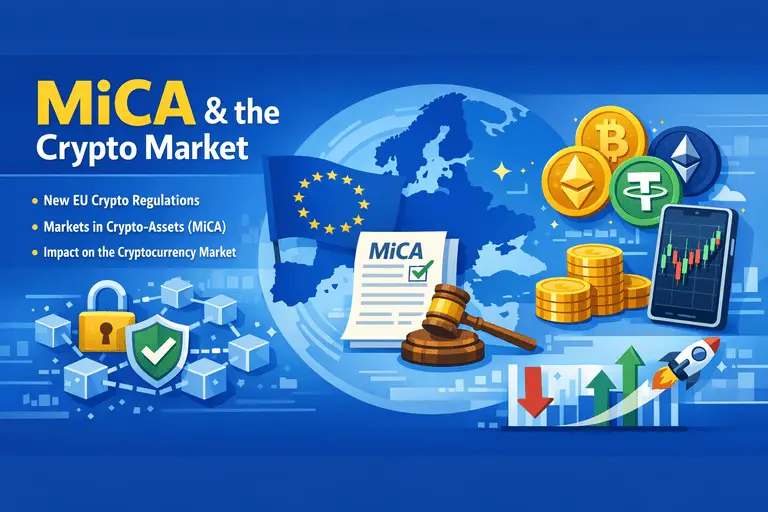
Crypto Asset Service Provider (CASP) Licensing Under MiCA
Regulatory Framework
Bulgaria’s MiCA Implementation:
- Markets in Crypto-Assets Act adopted June 20, 2025
- Entered into force: July 8, 2025
- Competent Authority: Financial Supervision Commission (FSC) for most CASPs
- BNB Authority: Bulgarian National Bank oversees Electronic Money Token (EMT) issuers (stablecoins)
Grandfathering Period:
- Virtual Asset Service Providers (VASPs) registered in the AML register as of December 30, 2024 may continue operating until July 1, 2026
- VASPs registered between December 30, 2024, and July 8, 2025, must apply for CASP license by October 8, 2025
Capital Requirements by CASP Class
MiCA establishes tiered capital requirements are established in Appendix IV to Article 67:
- Class 1 (Basic Services): €50,000
- Execution and transmission of orders
- Crypto-asset placement
- Advisory services
- Portfolio management
- Class 2 (Intermediate Services): €125,000
- Class 1 services PLUS:
- Custody and administration of crypto-assets
- Exchange of crypto-assets for fiat or other crypto-assets
- Class 3 (Advanced Services): €150,000
- All Class 1 and 2 services PLUS:
- Operation of a crypto-asset trading platform
License Application Fees (FSC Ordinance No. 76, June 12, 2025)
- Class 1 CASP: BGN 10,000 (€5,117)
- Class 2 CASP: BGN 20,000 (€10,234)
- Class 3 CASP: BGN 60,000 (€30,702)
Additional Ongoing Fees
Annual supervisory fees under Ordinance No. 76 include:
- Fixed per-service fees
- Variable percentage of annual income
- Examples: Custody (BGN 800), Exchange (BGN 3,200), Platform (BGN 12,000)
Application Timeline
- Acknowledgment: 5 working days
- Completeness Check: 25 working days
- Final Decision: 40 working days after complete file
- Total Estimated: 2-4 months end-to-end (including preparation)
Compliance Requirements
CASPs must demonstrate:
- Strong governance and organizational structure
- Qualified management (fit-and-proper tests)
- Robust AML/KYC policies
- ICT security and operational resilience (including DORA compliance)
- Business continuity and disaster recovery plans
- Internal controls and risk management
- Segregated custody for client assets
- Regular incident reporting to FSC
Penalties
- Administrative fines up to €1 million for procedural breaches
- MiCA allows penalties up to €5 million or 5% of annual turnover
- Potential license suspension or revocation
EU Passporting
Once licensed by Bulgaria’s FSC, CASPs can operate across all 27 EU member states without additional national licenses (notification to host regulators required)
Virtual Currency Company (VCC) / VASP Registration (Pre-MiCA)
Note: As of July 8, 2025, Bulgaria has transitioned from the VASP registration regime to full MiCA CASP licensing. The information below is for historical context and transition purposes only.
Historical VASP Registration (Pre-July 2025)
Under the former regime:
- Registration with National Revenue Agency (NRA) under AML/CFT laws
- Primary focus on anti-money laundering compliance
- Registration fee: BGN 50 (approximately €25.60)
- No specific capital requirements beyond company formation minimum
- Processing time: 2-6 weeks for complete applications
- Certificate issued allowing crypto exchange and custody services
Transition Requirements
All former VASPs must:
- Convert to full CASP licensing under MiCA
- Meet new capital requirements (€50,000-€150,000)
- Implement enhanced governance and compliance systems
- Apply by deadlines based on registration date
- Operate under transitional rules until July 1, 2026 (if eligible)
Talent & Infrastructure
Human Capital
- Strong STEM talent pool with focus on software engineering
- Growing number of legal and compliance professionals experienced in FinTech
- Competitive labor costs compared to Western Europe
- English widely spoken in tech and professional services
Digital Infrastructure
- Modern internet and digital government services
- Improving but still developing compared to top-tier EU hubs
- Banking sector can be challenging for crypto businesses (Bulgaria on FATF grey list as of 2025)
Language & Accessibility
- English-speaking professionals available in urban centers
- Formal procedures (notaries, courts) may require Bulgarian translation
- Local legal advisor strongly recommended
Competitive Position: Bulgaria vs Other EU Jurisdictions
| Country | Corporate Tax | Min. Capital (LLC) | Min. Capital (JSC) | Crypto/CASP Licensing | EMI Licensing | Key Notes |
|---|---|---|---|---|---|---|
| Bulgaria | 10% | €1 (2 BGN) | €25,565 (50k BGN) | €50k-€150k (MiCA Classes 1-3) | €358k (700k BGN) | Low costs, full MiCA compliance required |
| Estonia | 22%* (2025) | €0.01 | N/A | MiCA-compliant regime | €350k | *24% from 2026; deferred tax on distributions |
| Lithuania | 16%** (2025) | €2,500*** | N/A | Strong licensing, more rigorous | €350k | **17% from 2026; ***only 25% (€625) upfront |
| Ireland | 12.5% | €1 | €25,000 (PLC) | High regulatory standards | High capital, scrutiny | Premium for scale, higher compliance costs |
Notes:
- Estonia’s tax is deferred until profit distribution (unique model)
- All countries now operate under EU-wide MiCA for crypto licensing
- Substance requirements apply across all jurisdictions for regulated businesses
Risks, Trade-Offs & Critical Considerations
FATF Grey List Status
Bulgaria remains on the FATF grey list (as of 2025), which can complicate:
- Opening bank accounts for crypto businesses
- Establishing relationships with payment processors
- International partnerships and correspondent banking
Mitigation: Maintain exceptional AML/KYC policies, consider multi-jurisdictional banking strategy
Regulatory Complexity
- MiCA compliance is not a “light” regime—full prudential supervision applies
- Significant investment in compliance, legal, technology, and personnel required
- Ongoing reporting obligations to FSC and SANS (AML authority)
Substance Requirements
- Merely having a “letterbox company” is insufficient
- Regulators and banking partners expect:
- Real local presence (office, staff)
- Qualified management residing in or accessible to Bulgaria
- Operational systems and infrastructure
- Genuine business activity
Undercapitalization Risks
- While company formation is inexpensive, regulated activities require substantial capital
- Meeting minimum capital is just the start—operational buffer needed
- Budget for: legal, accounting, compliance, IT security, staff, technology platforms
Timeline & Preparation
- Licensing is not instant—plan 4-9 months minimum for CASP applications
- Building compliant systems takes time and expertise
- Grandfathering periods have strict deadlines—act early
Conclusion: A Strong But Serious Commitment
Bulgaria remains highly competitive for tech, FinTech, AI, and crypto entrepreneurs seeking:
- Low corporate taxation (10% flat)
- Minimal company formation barriers (€1 minimum capital for LLC)
- EU market access
- Cost-effective operations
However, success depends on:
✅ For Unregulated Tech/AI Startups: Bulgaria offers excellent value with minimal bureaucracy
✅ For Regulated FinTech/Crypto: Bulgaria is viable BUT requires:
- Substantial capital investment (€50k-€358k depending on activity)
- Professional-grade compliance, governance, and risk management
- Real operational substance—not just a registration
- Long-term commitment to regulatory relationship with FSC/BNB
- Strategic approach to banking challenges
Who Should Consider Bulgaria?
Ideal for:
- Cost-conscious tech startups seeking EU base
- Crypto projects ready to invest in proper licensing and compliance
- Companies with realistic capital and operational planning
- Founders willing to build genuine local presence
Less Suitable for:
- “Minimum viable” compliance approaches
- Purely paper structures without substance
- Businesses unable to meet MiCA capital requirements
- Projects seeking “easy” crypto licensing without proper systems
Important Reminders
- Seek Professional Advice: This guide provides general information. Always consult qualified Bulgarian legal and tax advisors before making decisions.
- Regulatory Landscape Evolving: MiCA implementation continues. PSD3 and other EU regulations are in development. Stay current.
- Banking Strategy Critical: Plan banking relationships early. Consider multi-jurisdictional approach given Bulgaria’s FATF status.
- Timeline Planning: Allow 6-12 months minimum for full regulated business setup (company formation + licensing + systems implementation).
- Budget Realistically: Beyond licensing fees, budget for:
- Legal counsel (incorporation, licensing, ongoing)
- Compliance systems and personnel
- IT security and infrastructure
- Accounting and audit
- Office space and local operations
- Working capital buffer
Disclaimer: This guide is for informational purposes only and does not constitute legal, financial, or professional advice. Regulations change frequently. Always verify current requirements with Bulgarian authorities and qualified advisors before taking action.
Exchange Rate Used: 1 BGN = 0.5117 EUR (November 2025)
Sources: Bulgarian National Bank, Financial Supervision Commission, EUR-Lex, verified industry sources
If you are a founder thinking pragmatically, Bulgaria is a very good launch point, but not a magic shortcut. Proper legal, accounting, and regulatory advice is essential — especially for FinTech and crypto.
Key Q&A Summary
Q1: Why are founders considering Bulgaria as an EU base?
A: Because Bulgaria offers a 10% corporate tax, cheap company setup, flexible structures like VCC, competitive labor costs, and full access to the EU Single Market. It is one of the most cost-efficient places to operate a tech, FinTech, AI, or crypto startup in the EU.
Company Formation
Q2: What are the main types of companies founders can set up in Bulgaria?
A:
- OOD/EOOD (LLC) – Minimum capital €1, most common for startups.
- VCC/DPK (Variable Capital Company) – No minimum capital; highly flexible and startup-friendly.
- AD/EAD (Joint-Stock Company) – Requires €25,565 capital; suitable for large or regulated businesses.
- Branch – No share capital; tied to parent company.
Q3: Can foreigners own a Bulgarian company?
A: Yes. No residency is required for directors or shareholders.
Q4: How long does company registration take?
A: Usually 1–2 weeks, with remote setup possible via power of attorney.
Q5: What is the difference between OOD and VCC?
A:
- OOD requires a bank account and capital deposit.
- VCC has no minimum capital and no pre-registration bank account requirement, making it faster and more flexible.
Taxation & Costs
Q6: What taxes apply to Bulgarian companies?
A:
- Corporate Tax: 10% flat rate
- Dividend Tax: 5% in 2025 (expected to rise to 10% in 2026)
- VAT: 20% (crypto transactions generally VAT-exempt under EU rules)
Q7: How do operating costs compare to Western Europe?
A: Significantly lower. Talent, office space, legal, and accounting fees are much more affordable.
FinTech Regulation (EMI)
Q8: How does EMI licensing work in Bulgaria?
A: EMIs are regulated by the Bulgarian National Bank.
Q9: What are the EMI requirements?
A:
- Capital: €358,000
- Entity: OOD or AD
- Business plan, AML/KYC, governance, risk systems
- Application fee: €5,117
Timeline: 3–6 months
Benefit: Full EU passporting.
Crypto Regulation (CASP Under MiCA)
Q10: Has Bulgaria implemented MiCA?
A: Yes. MiCA took effect in Bulgaria on July 8, 2025, with the FSC as the main regulator.
Q11: What are the CASP capital requirements?
A:
- Class 1: €50,000
- Class 2: €125,000
- Class 3: €150,000
Q12: What are the CASP license fees?
A:
- Class 1: €5,117
- Class 2: €10,234
- Class 3: €30,702
Q13: How long does CASP licensing take?
A: Typically 2–4 months for a complete application.
Q14: Can Bulgarian-licensed CASPs passport across the EU?
A: Yes. A CASP licensed in Bulgaria can operate in all 27 EU countries.
Talent, Banking & Infrastructure
Q15: What is the talent landscape like?
A: Strong software engineering base, competitive salaries, good English proficiency, and growing compliance talent.
Q16: Are there any banking challenges?
A: Yes. Bulgaria is on the FATF Grey List (2025), which can make banking harder for crypto companies.
Q17: How digital is Bulgaria’s infrastructure?
A: Modern internet and digital government systems, though not as advanced as top-tier hubs like Estonia.
Bulgaria vs. Other EU Jurisdictions
Q18: How does Bulgaria compare to Estonia, Lithuania, and Ireland?
A:
- Lowest corporate tax (10%).
- Cheapest company formation (€1 for LLC).
- Moderate regulatory strictness under MiCA—stricter than old regimes, lighter than Ireland or Lithuania.
- Lower operational costs than all three.
Risks & Considerations
Q19: What are the main risks for founders?
A:
- FATF grey-listing affects banking.
- MiCA compliance is costly and complex.
- Regulators require real local substance (office, staff, governance).
- Under-capitalized startups may struggle.
Q20: Who is Bulgaria ideal for?
A:
- Tech and AI startups needing low costs and EU access
- FinTech and crypto companies willing to invest in proper compliance
- Founders prepared to build a real local presence
Q21: Who is Bulgaria not ideal for?
A:
- Teams looking for “easy crypto licenses”
- Paper companies without local operations
- Underfunded projects unable to meet MiCA or EMI capital requirements
Q22: Should founders consider Bulgaria?
A: Yes—if they are serious about building real operations.
Bulgaria offers top-tier cost advantages and EU access, but regulated FinTech and crypto businesses must commit to proper governance, capital, compliance, and long-term planning.
Bottom Line
Ready to Establish Your Business in Bulgaria?
B & K Law Firm specializes in helping international tech, FinTech, AI, and crypto founders navigate Bulgaria’s regulatory landscape. Our team provides comprehensive support for:
Our Services:
- Company Formation: OOD, EOOD, AD registration with full documentation support
- Regulatory Licensing: EMI, CASP, and MiCA compliance applications
- Banking Relationships: Strategic assistance with Bulgarian and international banking partners
- Ongoing Compliance: AML/KYC systems, regulatory reporting, and governance frameworks
- Tax Optimization: Corporate structure planning and tax treaty utilization
- Substance Requirements: Office setup, local presence, and operational compliance
Why Choose B & K Law Firm?
✓ Deep expertise in Bulgarian FinTech and crypto regulations
✓ Direct experience with FSC, BNB, and MiCA licensing processes
✓ Multilingual team (English, Bulgarian, Russian)
✓ Fixed-fee packages available for startups
✓ End-to-end support from incorporation to license approval